Starfield's Crimson Fleet Choice Still Undermines Player Agency in 2026
Starfield presents its Kryx's Legacy decision as one of the game's clearest faction forks: after the player secures the enormous score, the game asks whether to hand it to UC SysDef or the Crimson Fleet, and it frames the answer as a pledge of allegiance. In 2026, that framing still looks far more dramatic than the actual outcome. Unique dialogue and subsequent quest behavior reveal that siding with the pirates produces only a mild rebuke from the United Colonies, not a meaningful rupture. The result is a choice that promises narrative weight and then quietly withholds it, leaving players to wonder whether the decision mattered at all.
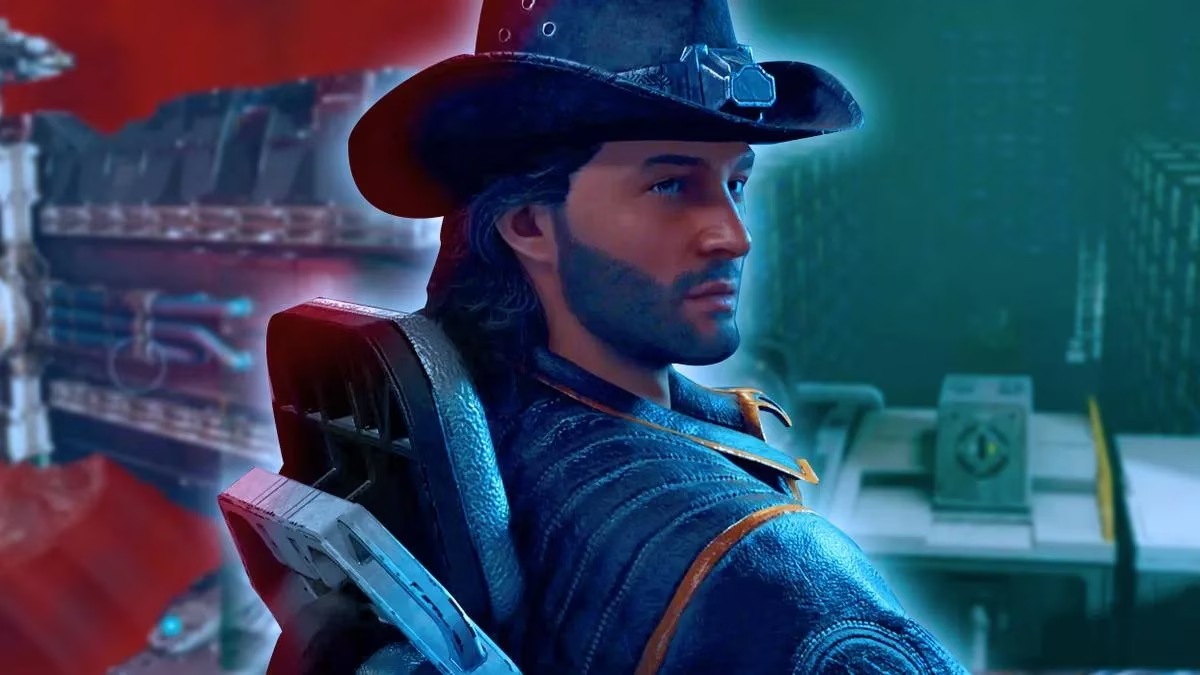
On paper, the Kryx's Legacy fork should be a turning point. The game explicitly tells players that their decision will determine which of the warring factions they are pledging allegiance to. That language implies consequences: if a player sides with the Crimson Fleet, the United Colonies should treat them as an enemy, or at least as a traitor. Instead, the UC response is closer to a bureaucratic shrug. Players who openly fought against UC forces can continue interacting with UC characters, and the story proceeds with only vague allusions to the betrayal. The gap between the promise and the payoff is the core problem.
A Bearded Gamer highlighted this discrepancy by showing unique UC dialogue for players who side with the Crimson Fleet. The conversation does not condemn the player or refuse to work with them. It carries out largely the same as it would otherwise, with a few references to the player's betrayal. More absurdly, the player can still receive a promotion to Class One Citizen from the president of the UC herself, despite having openly fought against the United Colonies in favor of the Crimson Fleet. That is not a subtle narrative wrinkle; it is a contradiction that pulls players out of the game.
| What the game implies | What actually happens |
|---|---|
| Siding with the Crimson Fleet means pledging allegiance to the pirates | UC dialogue changes only slightly |
| The UC should treat the player as a traitor after lethal attacks | The player receives a slap on the wrist |
| Faction choice should shape access and reputation | The player can still earn a Class One Citizen promotion |
| Betrayal should carry narrative consequences | The story continues with vague allusions |

This is where the logic breaks. Respecting player choice is always an important aspect of an RPG. The backlash to the original Mass Effect trilogy's ending remains one of the clearest examples of what happens when players feel their choices ultimately do not matter. Starfield's faction fork has a similar feeling, because its lack of impact takes players out of the game. The issue is not that every choice needs to rewrite the entire story. The issue is that Starfield explicitly frames this choice as a major allegiance switch and then refuses to follow through.
The frustrating part is that the unique dialogue proves Bethesda has the capacity to account for player choice. The studio can write lines that acknowledge betrayal, and it can adjust conversations based on faction allegiance. It simply chooses not to let those acknowledgments become a big impact. This is a familiar pattern in Bethesda's RPG design: the company seems far more concerned with not locking players out of specific in-game content than it is with the integrity of the game's narrative. The result is a choice that feels safe for completionists and hollow for players who want their decisions to shape the world.
Successful RPGs like Baldur's Gate 3 have shown that players will embrace impactful choices, even when those choices significantly alter the story's trajectory. Such decisions also improve replayability, because players want to go back and see the big differences their choices can make. Starfield includes an in-universe explanation for its New Game Plus, but there is little reason for players to revisit the story when many of their choices will not create major differences in the experience. The Kryx's Legacy decision is a prime example: it looks like a branch, but it behaves like a speed bump.

In 2026, the conversation around Starfield's faction design is still relevant because RPG audiences are more aware of how choice and consequence work. Players notice when a game promises a decisive fork and then softens the landing. They notice when a faction war is framed as a life-changing commitment but the world reacts with a shrug. The Kryx's Legacy choice is not disappointing because it lacks a dramatic cutscene. It is disappointing because it breaks its own promise. A faction choice should mean something, especially when the game says it will. Starfield's Crimson Fleet path remains a cautionary example of a decision that looks decisive, plays safe, and ultimately feels weightless.
⚠️ The takeaway is simple: player agency is not just about offering a button at the end of a quest. It is about letting the world remember what that button meant.