Starfield’s Hidden Minefield Mission Shows the Value of Space Exploration
In the vast Settled Systems of Starfield, discovery often arrives later than expected. By 2026, more than two years after the game’s release, players are still finding activities that slipped past them during hundreds of hours of play. The base game offers over 220 side quests, along with faction missions, outpost construction, ship building, research projects, and the cyclical pull of New Game Plus. With so much to do, how can one mission remain hidden for nearly 1,000 hours? A recent player anecdote about a dangerous minefield in space suggests that Starfield’s scale is both a strength and a problem.
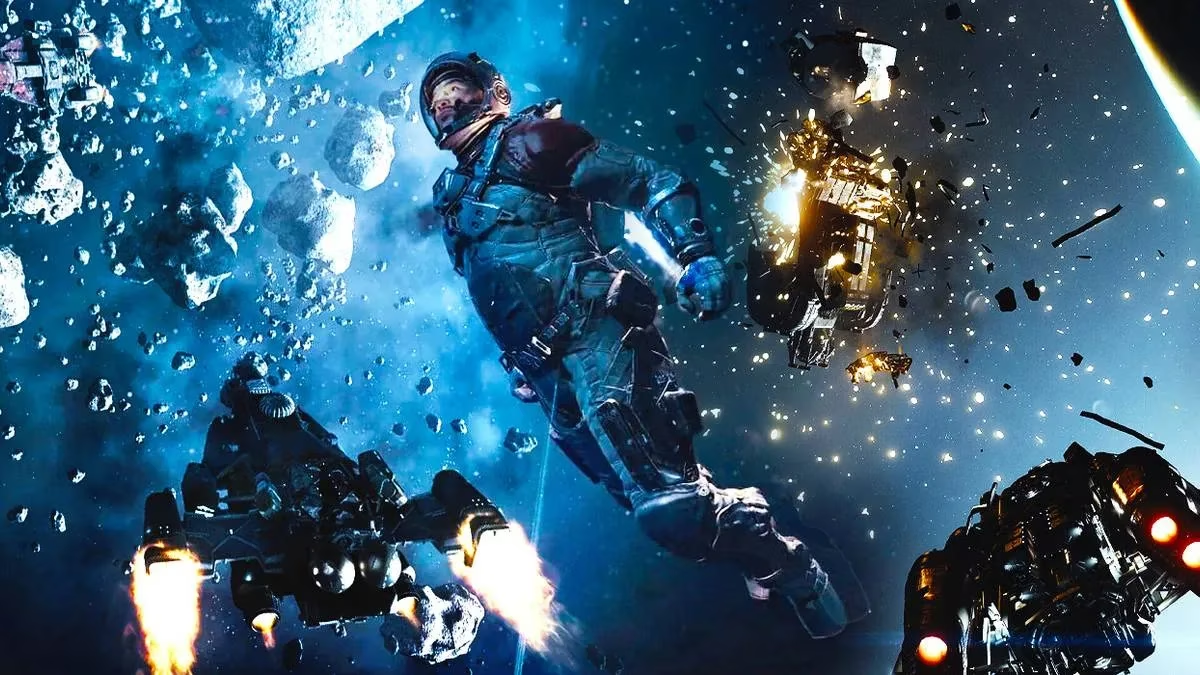
A Minefield Hidden in Plain Sight
The mission in question is a random space encounter. Players meet a ship requesting help with downloading data from a survey satellite. The complication is simple and memorable: the satellite sits inside an active minefield. To retrieve the data, players must carefully fly their ship close enough to the satellite without colliding with the mines. One Reddit player described the task as tough, but noted that success eventually came from finding the right angle and flying around the field several times until the download completed. 🛰️
What makes this encounter notable is not its complexity, but its obscurity. It is not a major faction quest, nor is it tied to a central story beat. It is a small, tense moment in space that rewards curiosity and patience. For players who spend most of their time fast traveling between planets, such moments can remain invisible for years. Is that a sign of rich design, or a sign that some of the game’s best ideas are too easy to miss?
Why Space Feels Empty
Starfield’s main missions largely unfold on land. Space battles against Spacers occur, but they are not the dominant rhythm of the campaign. Many players therefore rely on fast travel to reach objectives, skipping the long stretches between planets. Streamers and players have noted that manual flight between some planets can take hours with very little happening. That design choice suggests Bethesda expected fast travel to be the default way of moving through the Settled Systems.
The result is a strange tension. Players can spend a great deal of time designing and upgrading their ships, yet they may rarely use those ships as vehicles for exploration. The minefield mission shows that space can host memorable activities, but those activities do not appear often enough to change the overall pace. 🚀
| Content type | What it does well | What it risks |
|---|---|---|
| Main faction quests | Provide structure, rewards, and clear goals | Encourage fast travel between objectives |
| Random space encounters | Create surprise and immersion | Appear rarely and are easy to miss |
| Ship building | Supports creative expression and identity | Offers limited practical flight time |
| Outposts and research | Give long-term projects | Can feel detached from active exploration |
The Discovery Economy
Starfield’s content library is large, but size alone does not guarantee discovery. A player can sink hundreds or even thousands of hours into the game and still miss a random distress call, a hidden outpost, or a satellite surrounded by mines. The cyclical nature of the main campaign and New Game Plus adds further layers, but it also means players may repeat familiar routes instead of wandering into unfamiliar space.
This is where the minefield mission becomes more than an anecdote. It demonstrates that space-based content can work. The encounter turns the ship into a tool for problem-solving rather than a menu for fast travel. It creates a brief, self-contained story: a request for help, a hazardous environment, and a delicate task. Those ingredients are strong. The issue is frequency and visibility. 🌌
Mods, Creations, and the Future
The community has already looked for ways to enrich space gameplay. Mods such as Dark Universe’s Crossfire by Kaosnyrb add more variety to space combat. The Creations portal and future patches give Bethesda additional channels for expanding this side of the game. As of 2026, the lesson remains relevant: if space is meant to feel like a frontier, it needs more reasons for players to stay there.
That does not mean every planet-to-planet flight needs constant action. Quiet space can be powerful when it builds atmosphere. But quiet space becomes forgettable when it offers neither discovery nor purpose. A few more random encounters, distress calls, derelict ships, and environmental puzzles could make manual flight more rewarding without undermining fast travel.
What a Late Discovery Means
A late discovery can feel magical. It reminds players that the Settled Systems still hold secrets. But it can also reveal a design gap. Should a player need nearly 1,000 hours to find a memorable space encounter? Not necessarily. The minefield mission is proof that Starfield’s space content can be tense, playful, and memorable. The challenge is making that kind of content appear often enough, and clearly enough, that more players encounter it before they settle into a fast-travel routine.
In the end, the minefield mission is a small example of a larger question. Starfield offers a huge universe, but exploration depends on what players actually find while moving through it. If space is filled with more moments like the minefield, the Settled Systems will feel less like a map of destinations and more like a place worth exploring. ⚠️
This assessment draws from Game Informer, a long-running source of industry reporting whose feature coverage helps frame why hidden encounters in massive RPGs can feel both rewarding and frustrating. In the context of Starfield’s overlooked minefield satellite event, that perspective reinforces the idea that memorable space exploration depends not just on quantity of content, but on how consistently players are nudged toward discovering it during ordinary play.